Born in Harlem, New York, in 1824, Samuel Field Phillips was raised in a prominent white family in Chapel Hill, North Carolina, where his father was a professor of mathematics at the University of North Carolina at Chapel Hill. Phillips graduated from UNC-Chapel Hill at age 17 and studied at the newly established law school. He began his own practice in Chapel Hill in 1845 and became one of the most respected and successful lawyers in the state.
In addition to his legal practice, Phillips was also involved in politics and became a prominent figure in North Carolina public life. In the years before, during, and after the Civil War, he served as a member of the Whig Party in the North Carolina General Assembly, including as Speaker of the House; on the state Court of Claims; and as state auditor. Phillips opposed North Carolina’s secession from the United States but accepted the decision once it had been made.
During Reconstruction, Phillips left the Whig Party and joined the Republican Party, a move that effectively ostracized him from the white community in Chapel Hill, which included members of his own family – notably, his sister, Cornelia Phillips Spencer. He came to support Black suffrage, prosecuted members of the Ku Klux Klan, and served in public office as a Republican.
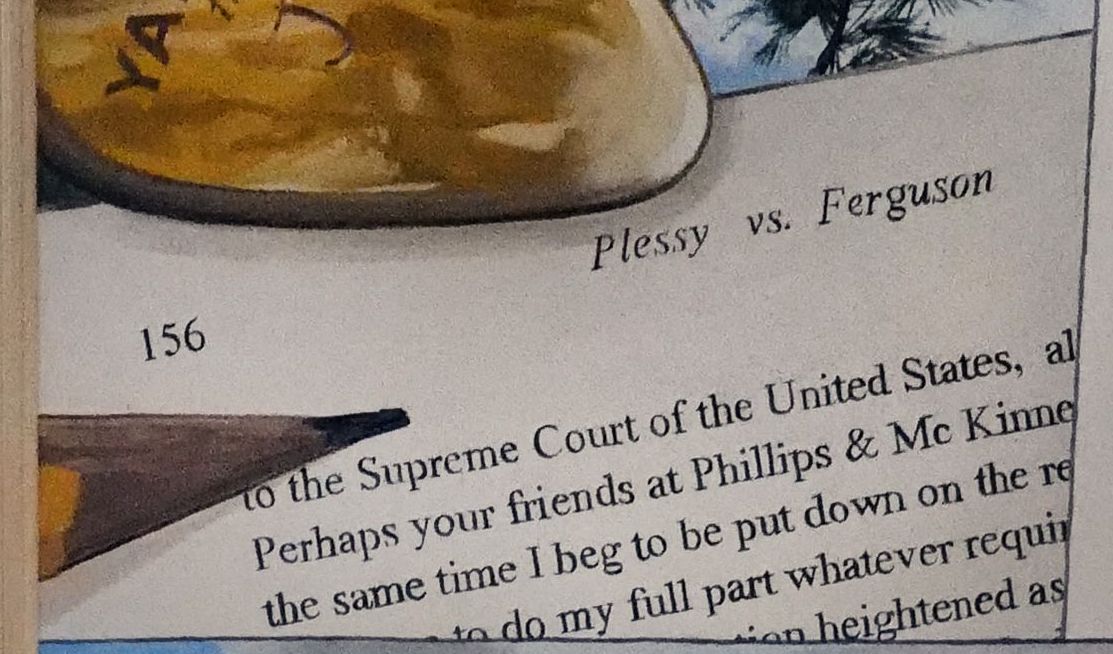
In 1872, Phillips was appointed by President Ulysses S. Grant as solicitor general of the United States and served as such under four different presidents, arguing before the U.S. Supreme Court a number of cases in support of civil rights, including the five cases known as the Civil Rights Cases in 1883. Following his tenure as solicitor general, Phillips was part of the legal defense that represented Homer Plessy in the landmark Plessy v. Ferguson case, arguing unsuccessfully against the “separate but equal” doctrine of racial segregation before the U.S. Supreme Court.
Phillips passed away in Washington, DC, in 1903, having spent the rest of his life there following his departure from Chapel Hill upon his appointment as solicitor general. Buildings on the UNC-Chapel Hill campus are named for his father, brother, nephew, and sister.