During the Civil War, the University of North Carolina at Chapel Hill lost many of its 450 students to voluntary enlistment and mandatory conscription by the state. After the war, coupled with low enrollment and six-figure debt from investing in the Confederacy, the school changed its leadership to comply with the new state Constitution of 1868. The state of North Carolina had increased interest in overseeing university board selection processes and supporting the education of Black Americans.
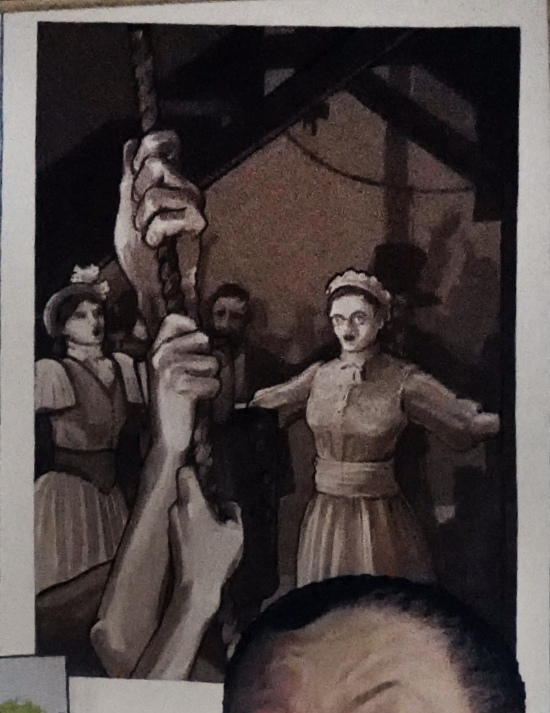
The school did not improve with its new board, as financial pressures and political infighting buckled the campus. UNC-Chapel Hill was closed by the General Assembly in 1871. Many were upset with the closing of the school, including Cornelia Phillips Spencer, the daughter of a mathematics professor. Spencer was a strong proponent of education for women and poor white Americans, tutoring individuals and writing historical pieces for publication to support herself after her husband’s death. During the school’s closure, Spencer wrote to politicians in defense of the school’s importance to the state’s finances and cultural heritage. When the General Assembly reopened the school in 1875, on Spencer’s 50th birthday, she rang the bell in UNC-Chapel Hill’s South Building.
Spencer ringing the university’s bell in celebration aptly reflects the position of the school after its reopening. As stated previously, after the war, a General Assembly which favored Republican support of Black individuals’ freedom and integration gained interest in the school and its Confederate investments. The school’s reopening, however, did not require the school to take any additional steps towards supporting this vision. UNC-Chapel Hill did comply with post-war freedoms, ending enslaved labor on campus. But just as Spencer vehemently attacked Black education, intellectual abilities, and suffrage, UNC-Chapel Hill would not integrate until the 1950s.