-
UNC at Chapel Hill Reopening After Reconstruction
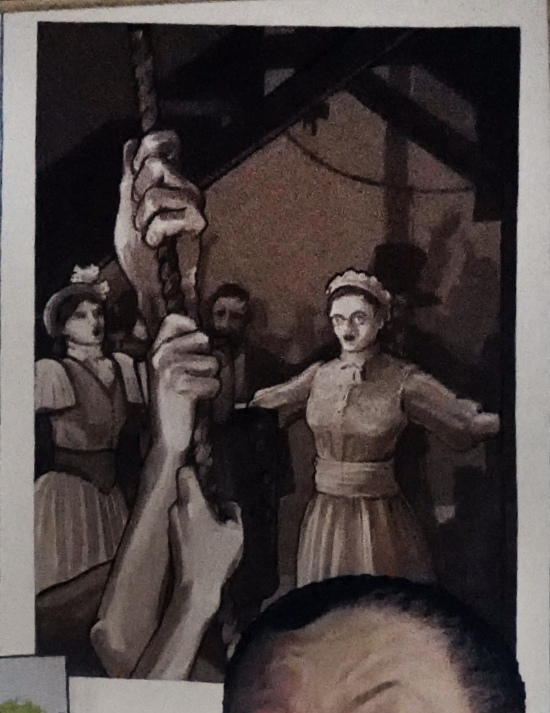
During the Civil War, the University of North Carolina at Chapel Hill lost many of its 450 students to voluntary enlistment and mandatory conscription by the state. After the war, coupled with low enrollment and six-figure debt from investing in the Confederacy, the school changed its leadership to comply with the new state Constitution of…
-
Ira Ward
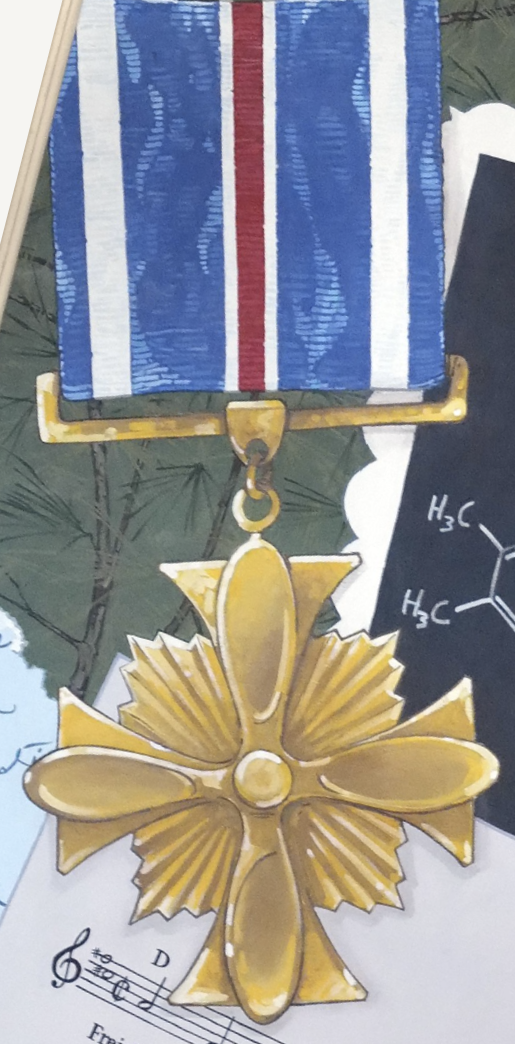
Before World War II began, Orange County had gained experience assisting the nation in wartime. During World War I, citizens of Orange County supported American troops by participating in Red Cross chapters, Salvation Army efforts, and war savings and bonds, and even established an Orange County Council of Defense. During World War II, the United…
-
Civil War Surrender
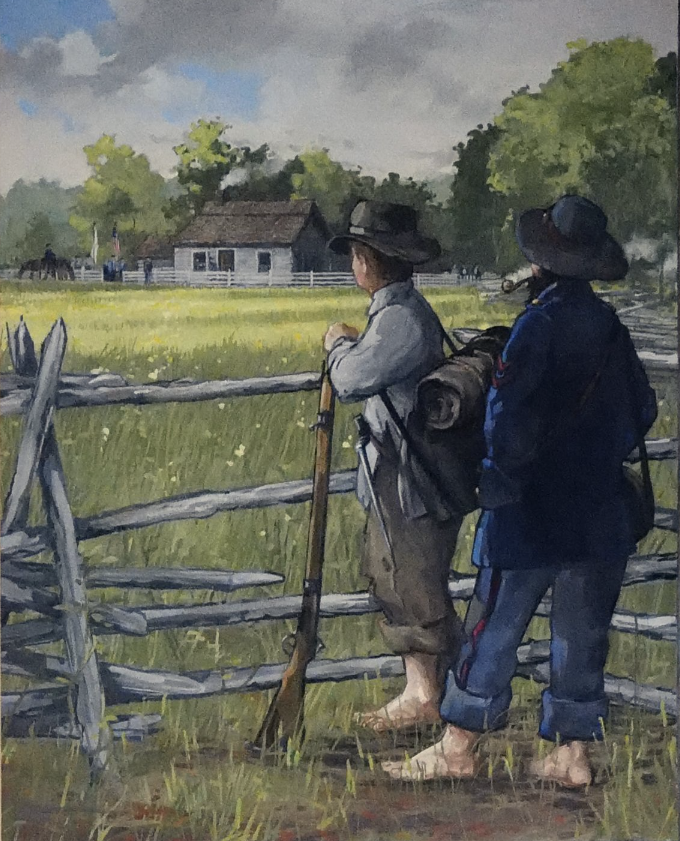
Hearing news of a possible surrender by Confederate General Robert E. Lee, Union General William T. Sherman hastened his troops to North Carolina. The Union had taken Richmond and Petersburg, two strongholds for the Confederacy; Sherman added Raleigh to that list as his troops entered the state. Both confederate and union forces in the area,…
-
Richard Caswell

Richard Caswell (1729-1789) was the first elected governor of North Carolina and a white enslaver of over 60 individuals. Caswell was born and raised in Maryland, and moved to North Carolina in 1746. While studying law in the 1750s, he served as clerk for the Orange County court. He began practicing law in Orange County…
-
Civil War

North Carolina participated in the Civil War as a confederate state, although state politicians famously did not get along with their confederate superiors in Richmond, Virginia. This alignment meant that North Carolina agreed with the sentiments of the confederate states: that federal legislative proposals by northern states, such as the dissolvement of slavery and increased…
-
Hillsborough Military Academy
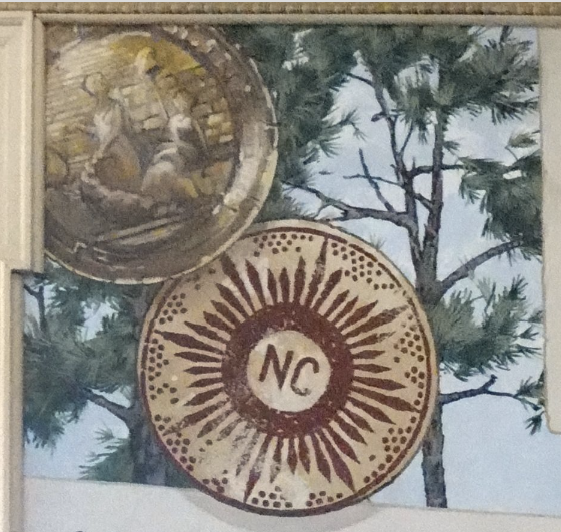
The North Carolina Military Academy, also known as the Hillsborough Military Academy, was founded by Colonel Charles C. Tew of South Carolina in 1859, two years before the outbreak of the Civil War. The Academy was not the first of its kind; North Carolina was known for its public and private military academies. After Colonel…
-
North Carolina Constitutional Convention

This scene depicts the North Carolina Constitutional Convention, which met at Hillsborough in July 1788. In St. Matthews Church, 270 elected delegates debated whether to ratify the proposed U.S. Constitution. The U.S. Constitution, drafted in Philadelphia in 1787, not only established the United States as a nation but also served as an attempt to increase…
-
Lisbon P. Berry

Lisbon Payne Berry was born, as an enslaved person, in Hillsborough, North Carolina, in 1850 to Rev. Job Berry and Rebecca Nash. He was the second of eight children born to Rebecca and Job. Job Berry worked in Hillsborough as a painter, often for John Berry, and as a gardener at the Burwell School, and…
-
Frank P. Graham

Frank Porter Graham, a white educator and politician, was born in Fayetteville, North Carolina, in 1886. He graduated from the University of North Carolina at Chapel Hill in 1909 and went on to study law at the university, although he never practiced as an attorney. He also pursued graduate study at a number of other…
-
Samuel F. Phillips
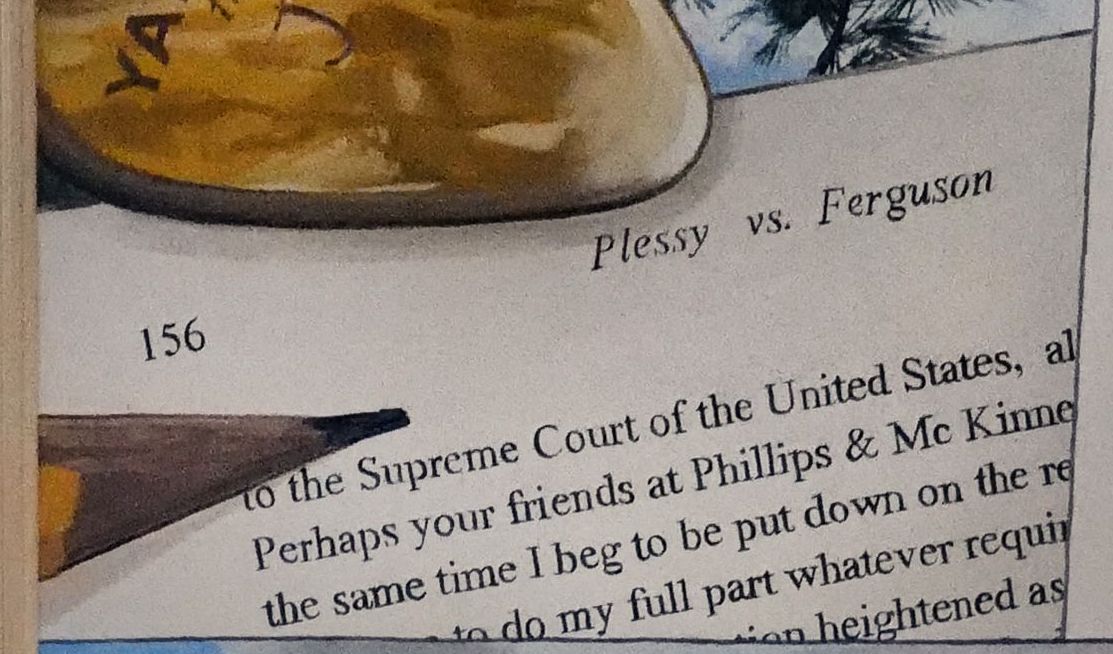
Born in Harlem, New York, in 1824, Samuel Field Phillips was raised in a prominent white family in Chapel Hill, North Carolina, where his father was a professor of mathematics at the University of North Carolina at Chapel Hill. Phillips graduated from UNC-Chapel Hill at age 17 and studied at the newly established law school.…
You must be logged in to post a comment.